Monday, September 29, 2008

Pineapple and cellulite

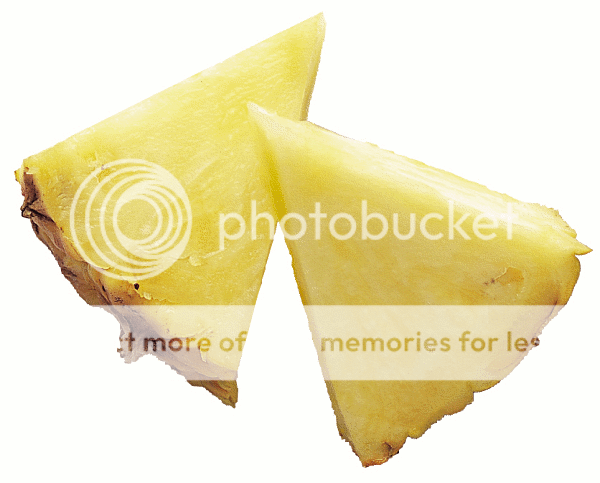
It's summer time! And, it's time for pineapple. Of course, you can eat pineapple any time of year, and that's great 'cause I LOVE pineapple. Actually, I love it now even more when I found out how good it is for preventing and reducing cellulite.

So, what is so good about pineapple?
  • preventing and reducing cellulite

It's recommended to eat pineapple after a meal, especially after a meal rich with proteins, as pineapple helps digesting proteins.
Pineapple consists of more than 86% of water and contains many potassium, it helps extracting fluids from tissue, and along with liquid the toxins which cause lumps and speeds cellulite accumulation.

  • antioxidant protection and immune support
Pineapple is full of vitamins that are essential for the immune system.
  • strengthens bones
Pineapples are rich in manganese (trace mineral that is needed for your body to build bone and connective tissues). Just one cup of pineapple provides 73% of the daily recommended amount of manganese.

Nutrients in pineapple (in 155 grams):
  • manganese > 128 % of daily value
  • vitamin C > 40 %
  • vitamin B1 (thiamine) > 10 %
  • copper > 10 % (approx.)
  • dietary fiber > 8 %
  • vitamin B6 (pyridoxine) > 7 %
It is best to eat a fresh pineapple, but a canned one will do also, just make sure there's no sugar added.

Saturday, September 27, 2008

Grape and wine

The grape as cellulite fighting food:
  • low in saturated fat, cholesterol and sodium
  • high in vitamin C, vitamin K and minerals
  • acts as diuretic
  • cleanses your body of toxins
  • contains antioxidants - protects the skin
  • contains silica - tightens the skin
  • contains flavonoids - phytonutrients that appear to decrease the risk of heart disease

The nutritional value and health benefits of grapes:

  • weight loss
  • anti-aging agent resveratrol
  • maintaining optimum health
  • protection against heart disease
  • lowers cholesterol
  • enhances women's health - reduces the size of estrogen dependent breast cancer tumors
  • may lower risk of Alzheimer's disease - ingredient resveratrol is responsible for that
  • anti-aging agent
  • anti microbial agent
  • protective against food-borne illness
  • concord grape juice is ranked among the highest in antioxidant activity - other high scoring include apple, cranberry and grapefruit juice

The "French paradox"

Grapes and products made from grapes, such as wine and grape juice, may protect the French from their high-fat diets. Diets high in saturated fats like butter and lard, and lifestyle habits like smoking are risk factors for heart disease. Yet, French people with these habits have a lower risk of heart attack than Americans do. One clue that may help explain this "French paradox" is their frequent consumption of grapes and red wines.